
Institutions all over the world are setting up microcredentials in responses to calls from governments and industry: short courses, usually offered online by accredited institutions, with an emphasis on the needs of the workplace. They are also often used for retraining and upskilling. This book explains how to start offering microcredentials as an academic institution.
This guide aims to accelerate the flexibility and responsiveness of learning systems by providing guidance on the design, issue and recognition of micro-credentials.

This web page highlights the role of buildings in the energy transition (heating, cooling, lighting, etc), and presents data and recommendations.
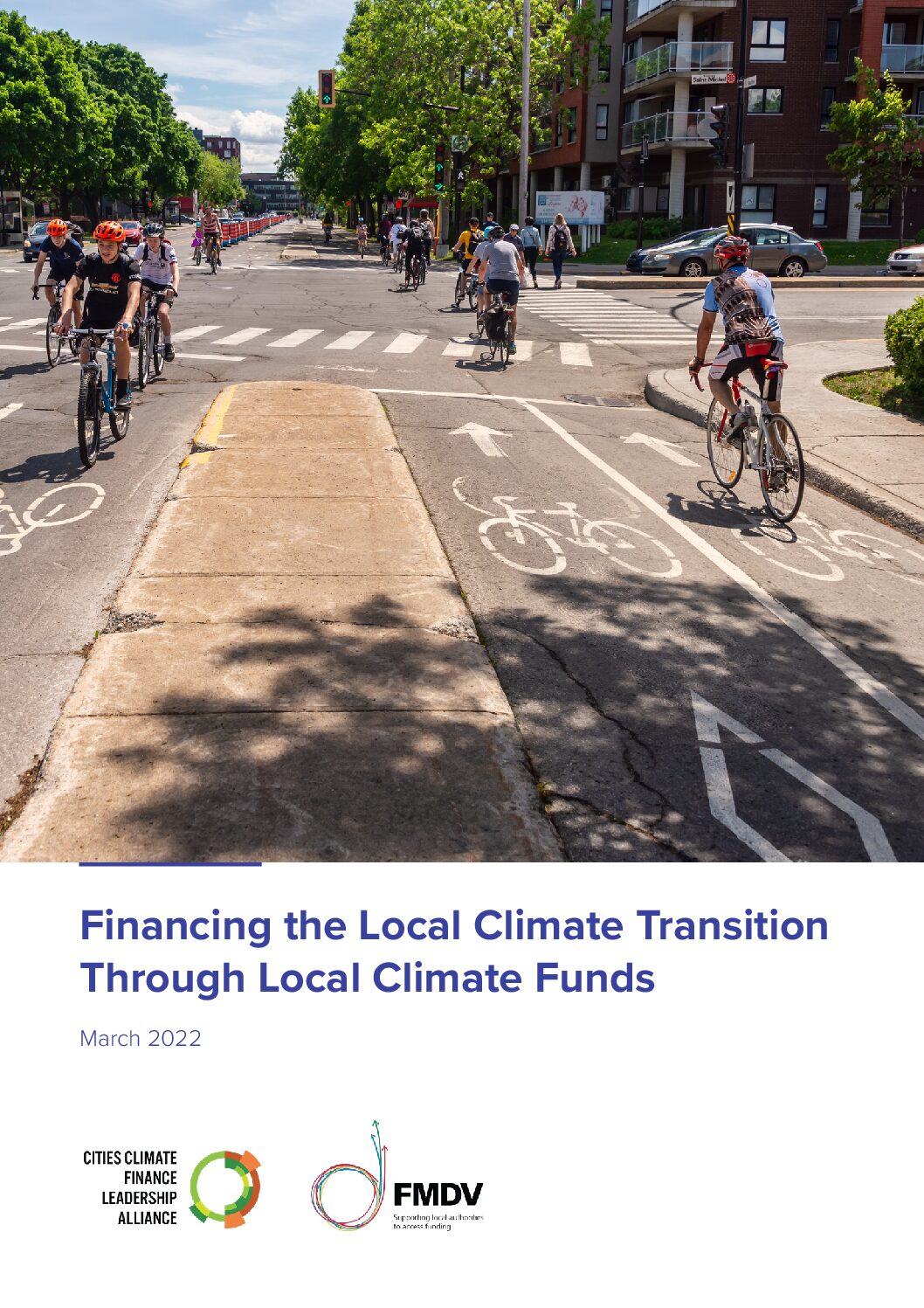
This factsheet helps local governments understand the structural components of setting up local climate funds, including identifying attractive financial models and the different ways to support financing the local climate transition.
This slide deck provides a quick introduction to gender-responsive climate finance and the role of women’s groups in pursuing it.
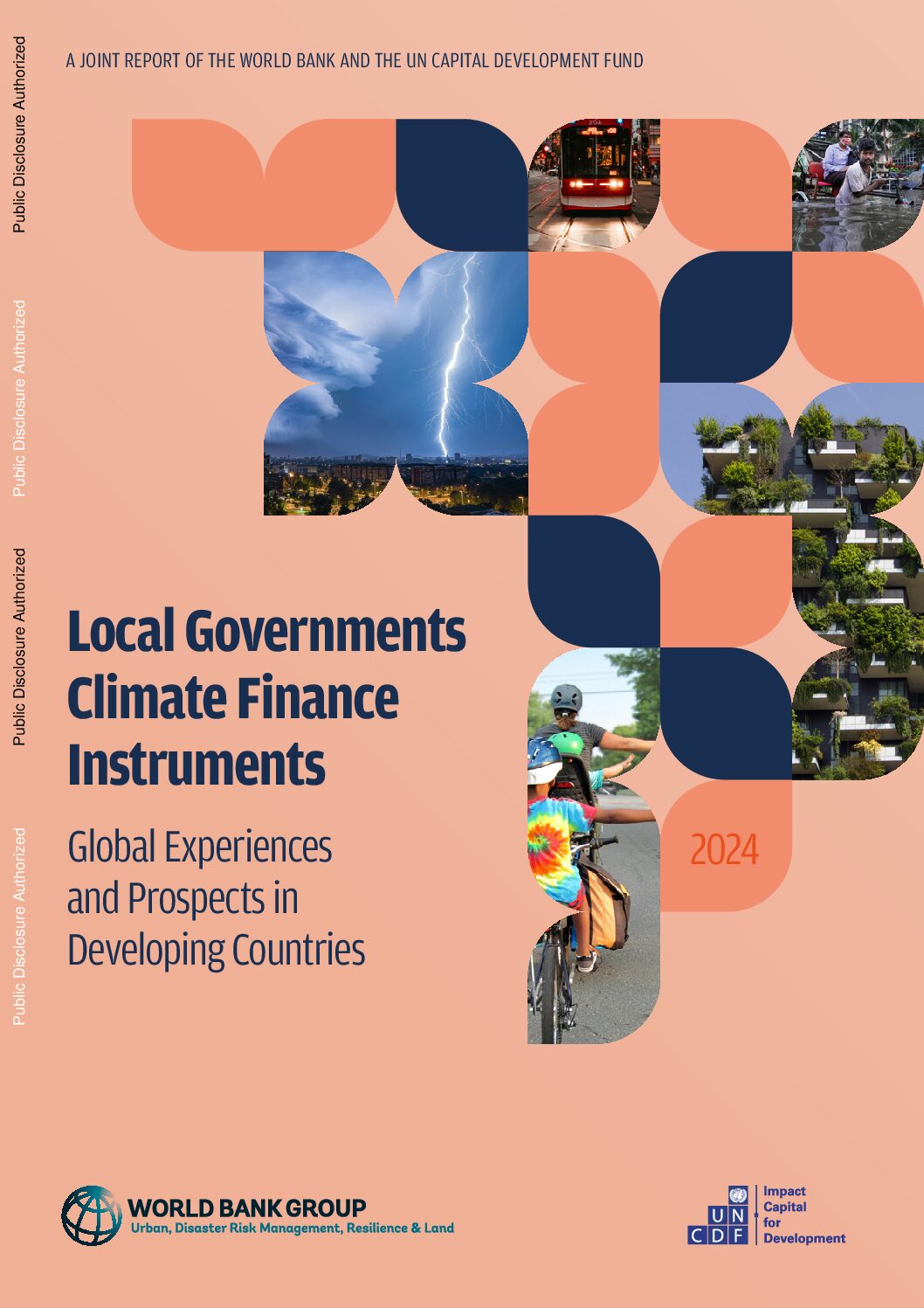
This report aims to help local governments understand various financing instruments and sources available to them to meet climate investment needs.
This article provides an introduction to ESG and its relevance to the energy transition.
This guide explains how cities can develop energy transition roadmaps that can create platforms for collaboration with other stakeholders and attract investment.
This report delves into the challenges, opportunities, and innovations shaping the future of the steel industry as the global transition to a low-carbon economy accelerates.
The Breakthrough Agenda Report 2023 is an annual collaboration between the International Energy Agency (IEA), the International Renewable Energy Agency (IRENA) and the United Nations Climate Change High-Level Champions. It takes stock of emissions reductions in key energy subsectors and focuses on supporting stronger international collaboration to drive faster reductions in global greenhouse gas emissions.