
This resource guides trainers in conducting activities on greening TVET. It compiles content from various sources and offers practical strategies tailored for TVET leaders, managers, and instructors. The manual provides a step-by-step approach to help trainers, administrators, and academics lead TVET toward sustainability.
Desisining A CurriculUM or DACUM is a methodology used to analyse jobs and develop training programmes. This training-of-trainers resource guides trainers in planning, preparing, and implementing DACUM Facilitator Training sessions. It supports those involved in occupational analysis and curriculum development, aiming to standardize DACUM practices internationally and help participants become experts in the DACUM process.
This resource guides trainers in planning and delivering programmes on occupational analysis and curriculum development. It focuses on integrating green skills, greening TVET, entrepreneurship, IR 4.0, and 21st-century skills into TVET.
This resource offers a comparative analysis of existing green skills frameworks to support sustainable development through TVET. It includes two detailed matrices—one mapping green frameworks chronologically, and another summarizing empirical research on green skills relevant to green industries. The study highlights key concepts, models, and collaborations needed between TVET institutions and green sectors to develop … Continue reading “Comparative analysis on Green Skills framework for sustainable development”
This guide aims to accelerate the flexibility and responsiveness of learning systems by providing guidance on the design, issue and recognition of micro-credentials.
This guide addresses the challenges faced by rural energy enterprises in developing countries, and sets out solutions such as business models offering cooking energy as a service.
This Training book, developed by Plan4CET project partners, presents a capacity building curriculum on clean energy transition planning for local governments.
This guide equips local administrations with tools to raise the awareness and support the participation of stakeholders and citizens in Climate and Energy Transition (CET) planning and implementation.
This is an example of a regional capacity building strategy based on a comprehensive needs assessment.
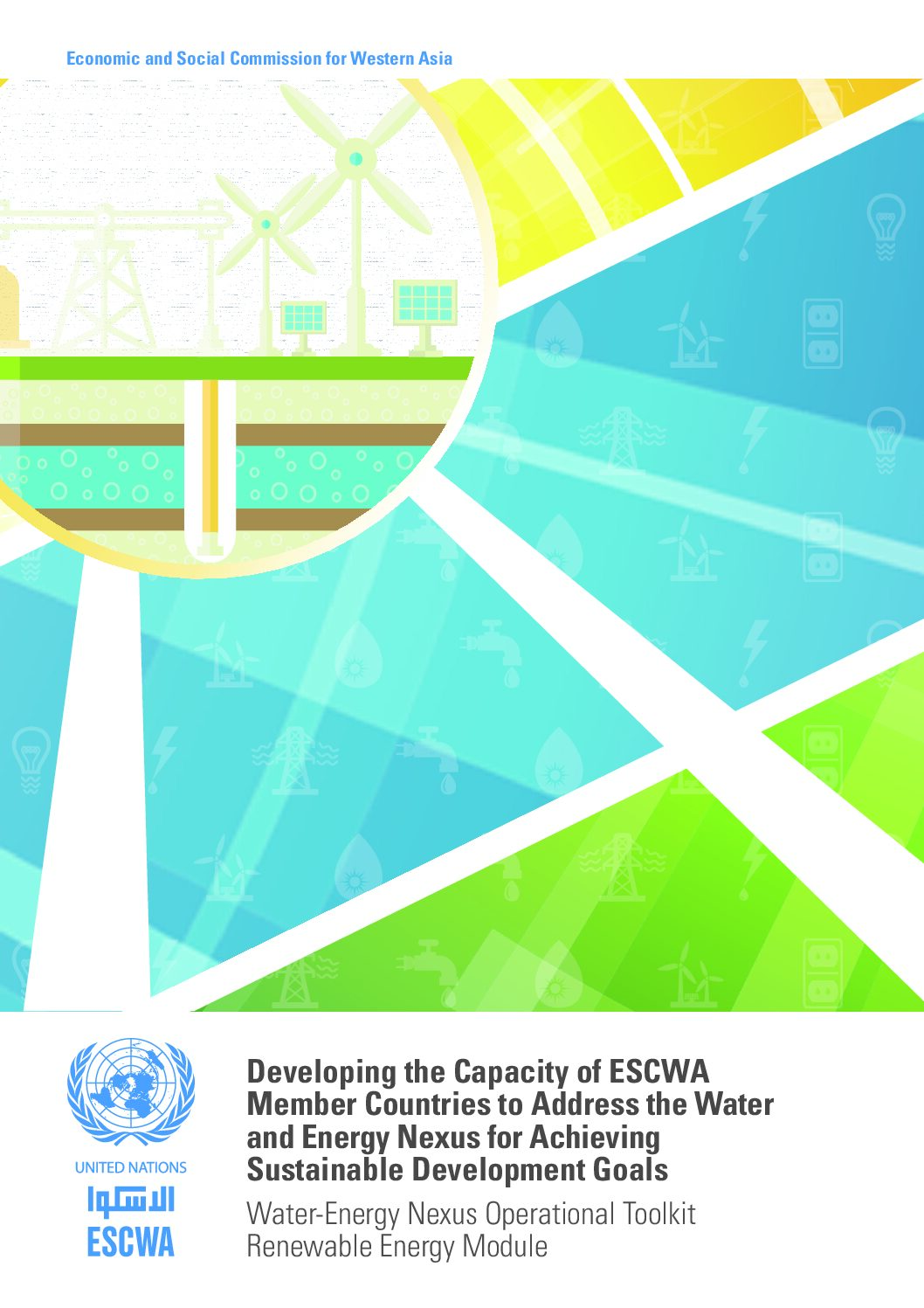
This is a training module on the nexus between renewable energy and water management.