
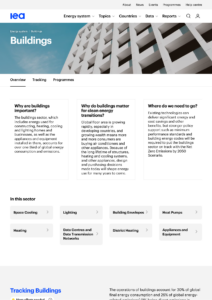
This web page highlights the role of buildings in the energy transition (heating, cooling, lighting, etc), and presents data and recommendations.
This paper explains how minimum energy performance standards for buildings can be implemented effectively while remaining socially just, using a differentiated approach that carefully follows a series of design principles.
This guidance note outlines how cities can tap into a wide array of proven technologies, policies, and financing mechanisms to improve energy efficiency and capture cost-effective energy savings in buildings.
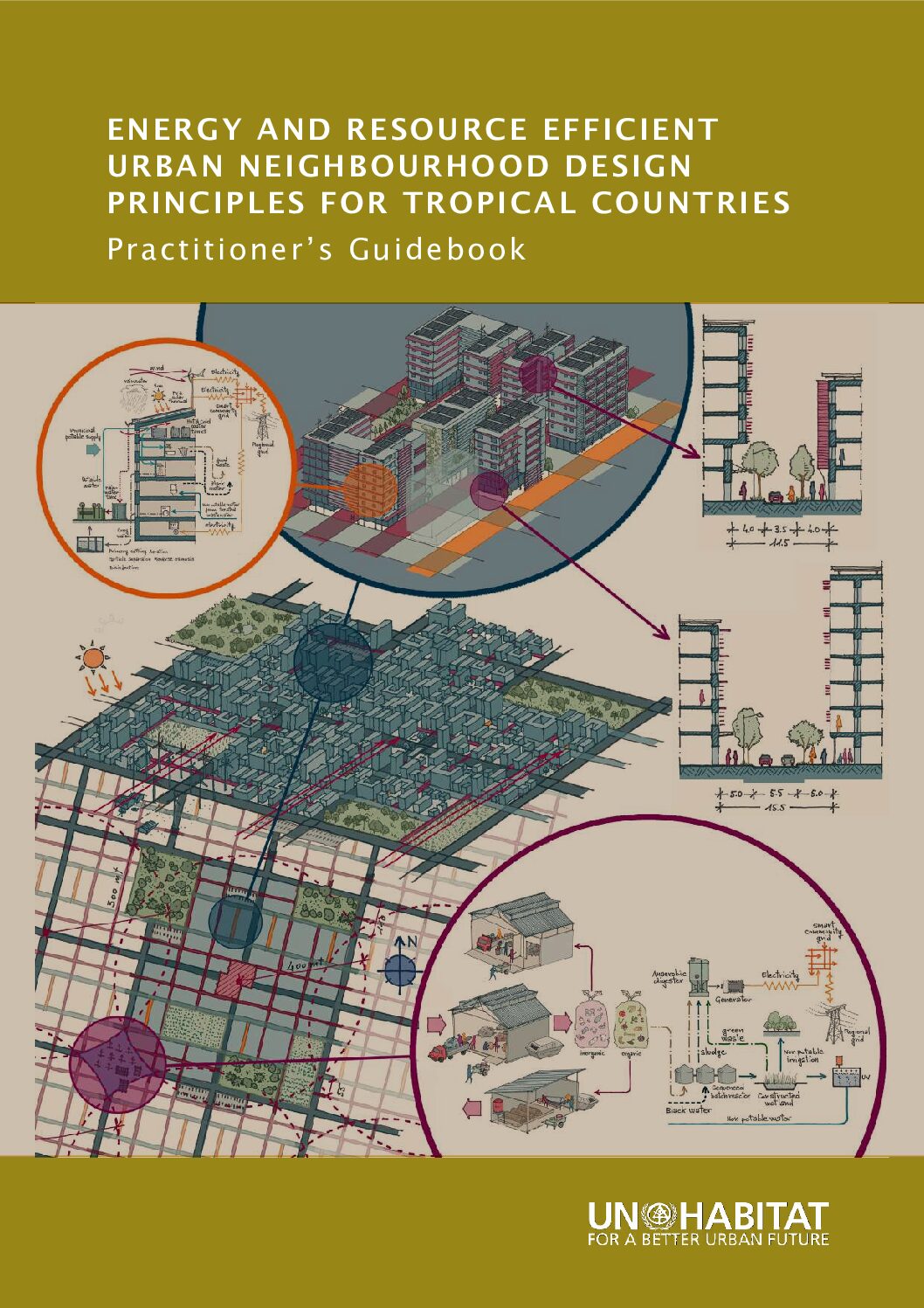
This guidebook helps practitioners adopt a holistic approach to sustainable neighbourhood design, integrating the design of efficient energy, water, wastewater and solid waste systems, and low energy mobility.
This is the slide deck for the second module of an online course about energy audits for small- and medium-sized enterprises.
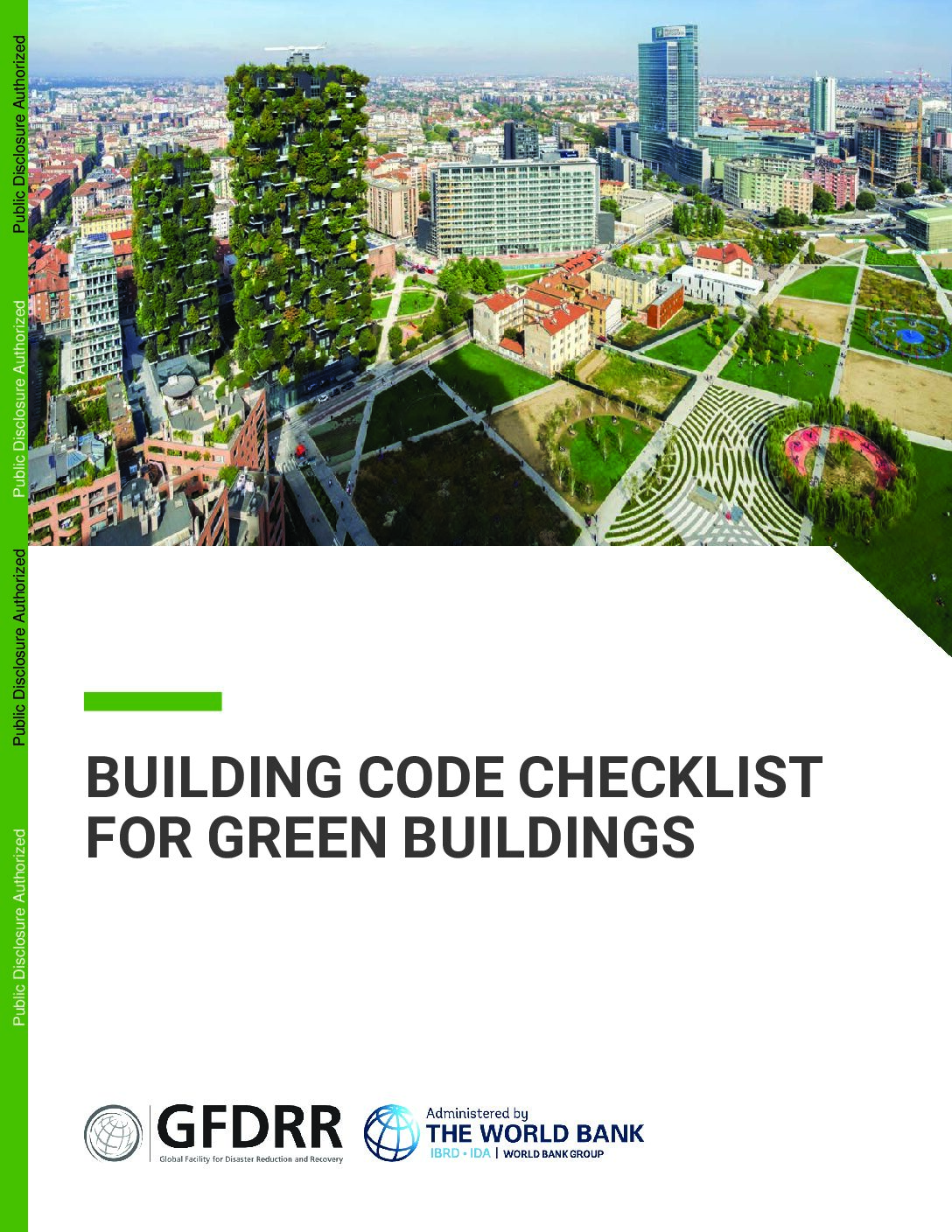
This report helps policymakers develop building codes and regulations that promote the construction of green buildings.

This is the slide deck for the third module of an online course about energy audits for small- and medium-sized enterprises.
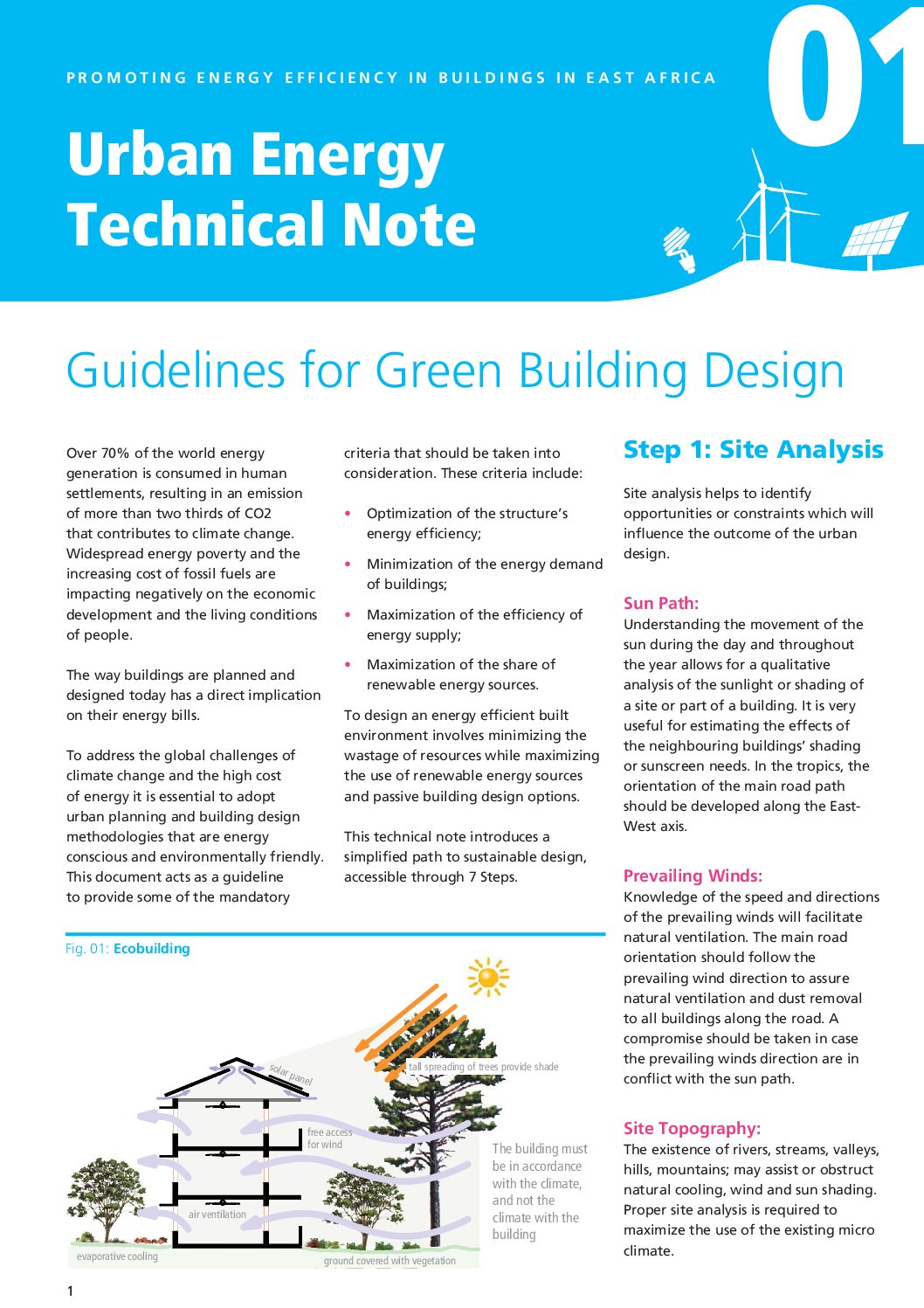
This technical note introduces a simplified path to sustainable design in seven steps: site analysis, site plan, building design, energy, water, solid waste and agriculture.

This is the slide deck for the fourth module of an online course about energy audits for small- and medium-sized enterprises.
This is the slide deck for the sixth module of an online course about energy audits for small- and medium-sized enterprises.